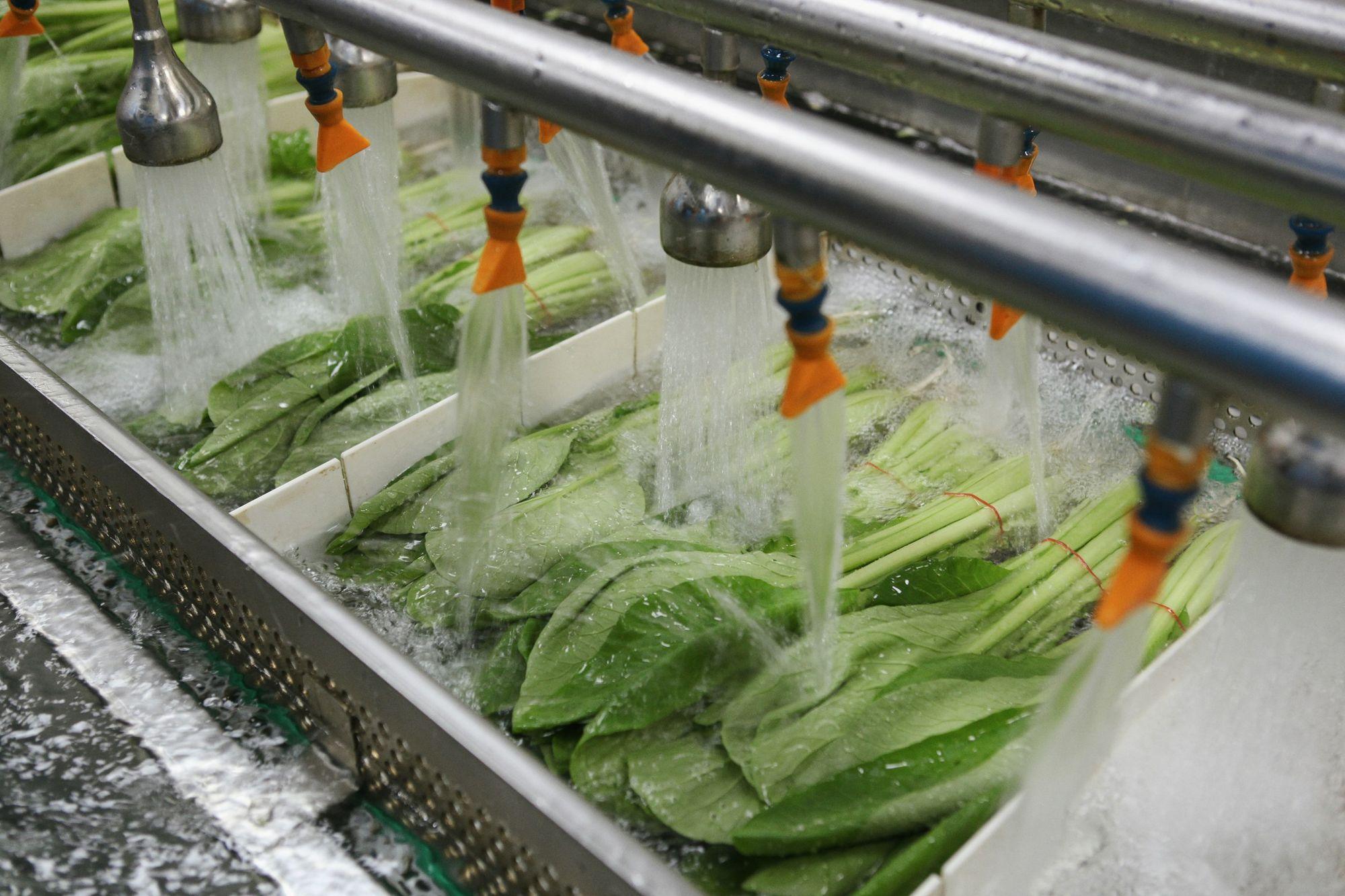
How we think about agri-food processing
A processor's books have to connect what came in from growers with what went out to buyers, months apart. In Abbotsford the supply is close at hand. Berries come off the Sumas and Matsqui prairies in a short summer window, and the City says roughly half the dairy, chickens, turkeys and eggs consumed in BC come from Abbotsford. So a local processor's year usually has a heavy intake season, a long stretch of selling from storage, and grower accounts that stay open well after delivery.
We keep all three in view every month, so you know your margin before the season is sold through rather than after.
What makes the books different
- Grower settlements. When growers are paid in stages, an advance at delivery and a final price later, each grower needs an account that shows deliveries, advances and the balance owed. We record the liability as product is received and reconcile every grower account before settlement payments go out.
- Cold-storage inventory. Product packed in summer may be sold the following spring. We value it each month with the costs that belong to it, such as raw product, packing labour, packaging and freezing, so gross margin is not overstated in August and understated in March.
- Seasonal staffing. Headcount rises sharply during intake. We keep seasonal and permanent staff in separate pay groups, issue Records of Employment when the season ends, and watch total BC remuneration for the Employer Health Tax. Employers with $1,000,000 or less are exempt. Between $1,000,000.01 and $1,500,000 the tax is 5.85% of the amount over $1,000,000, and above $1,500,000 it is 1.95% of all BC remuneration. Associated employers share one exemption.
- Food sales and sales tax. Basic groceries such as milk and vegetables are zero-rated for GST, and food for human consumption is exempt from BC PST, though soda beverages are not. You can usually still claim input tax credits on packaging, freight and equipment. Zero-rated sales also count toward the annual total that sets how often you file GST, which matters once sales pass $1,500,000.
What a monthly close looks like for you
Last month is closed by the 10th. Intake records are matched to grower accounts, sales are matched to shipments, and the inventory count or production report is tied to the ledger. Cold-storage stock is valued at cost. Payroll deductions are remitted by the 15th if you are a regular remitter, and we track BC remuneration against the Employer Health Tax thresholds as the year goes on.
You get a short note with gross margin by product line, what is still owed to each grower, and what we need from you. In August the note is longer, but it still arrives by the 10th.
Tools we commonly use for agri-food processing clients
QuickBooks Online or Xero as the ledger, with classes or tracking categories for each product line. Dext to capture supplier bills, freight invoices and grower paperwork. Plooto to pay growers and suppliers in batches, with your approval on each run. Wagepoint for payroll, including seasonal crews. If you track lots and production in dedicated inventory or traceability software, we leave it in place and tie its totals to the ledger each month.
Partners we work with
We work alongside CPAs who know food processing and farm supply, along with commercial lenders that finance inventory and equipment, customs brokers for loads crossing at Abbotsford–Huntingdon, and lawyers who draft grower contracts. Your CPA handles the return and the tax advice. We keep the records that support it. When the business outgrows a monthly close and needs budgets, cash forecasts and margin reviews, our fractional controller service adds that layer.
A good fit if
- You pack, freeze, process or add value to farm products in Abbotsford or elsewhere in the Fraser Valley
- You pay growers through settlements and want every account to reconcile
- Your staff numbers and inventory rise and fall with the harvest